Chalk

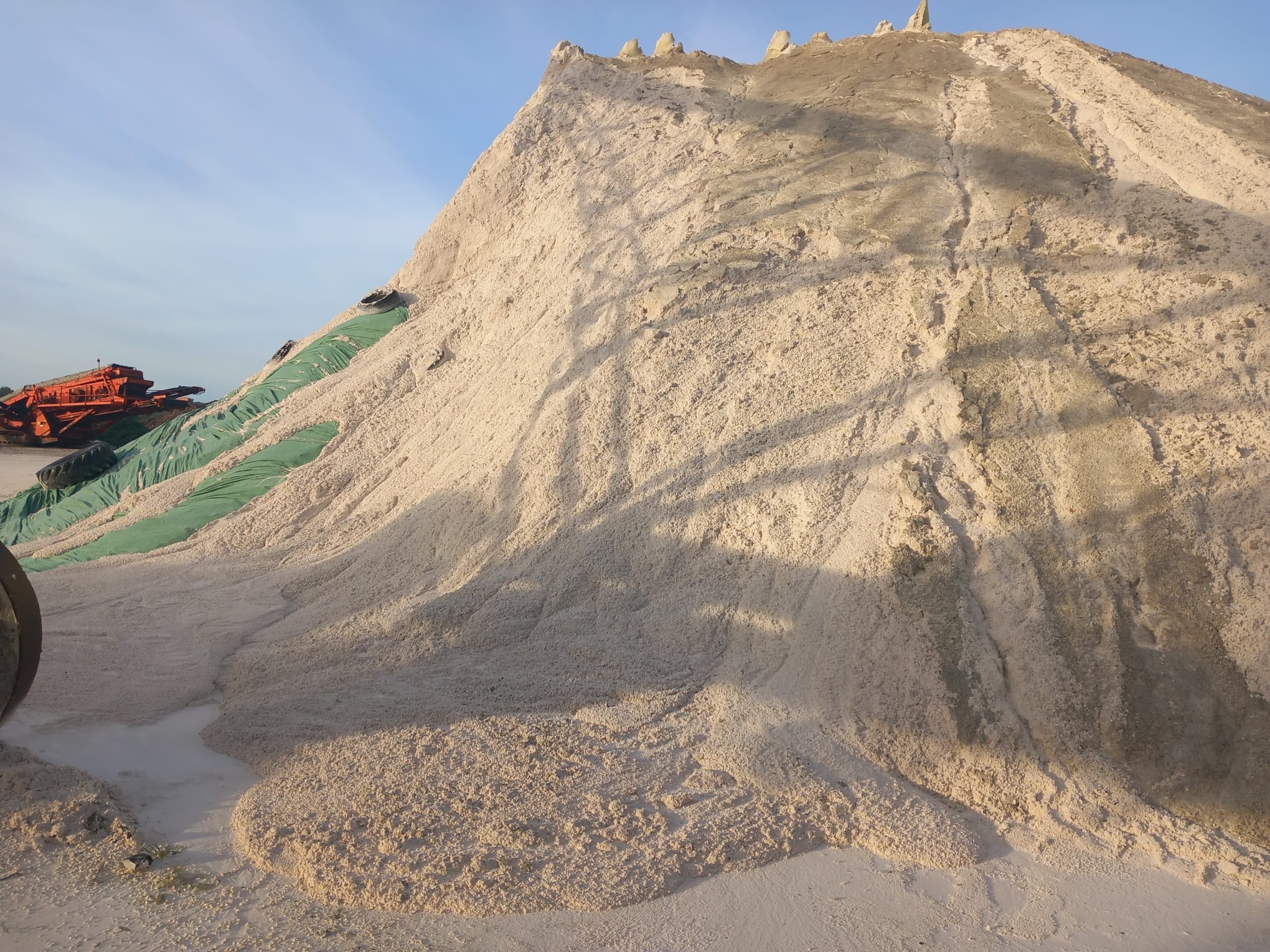
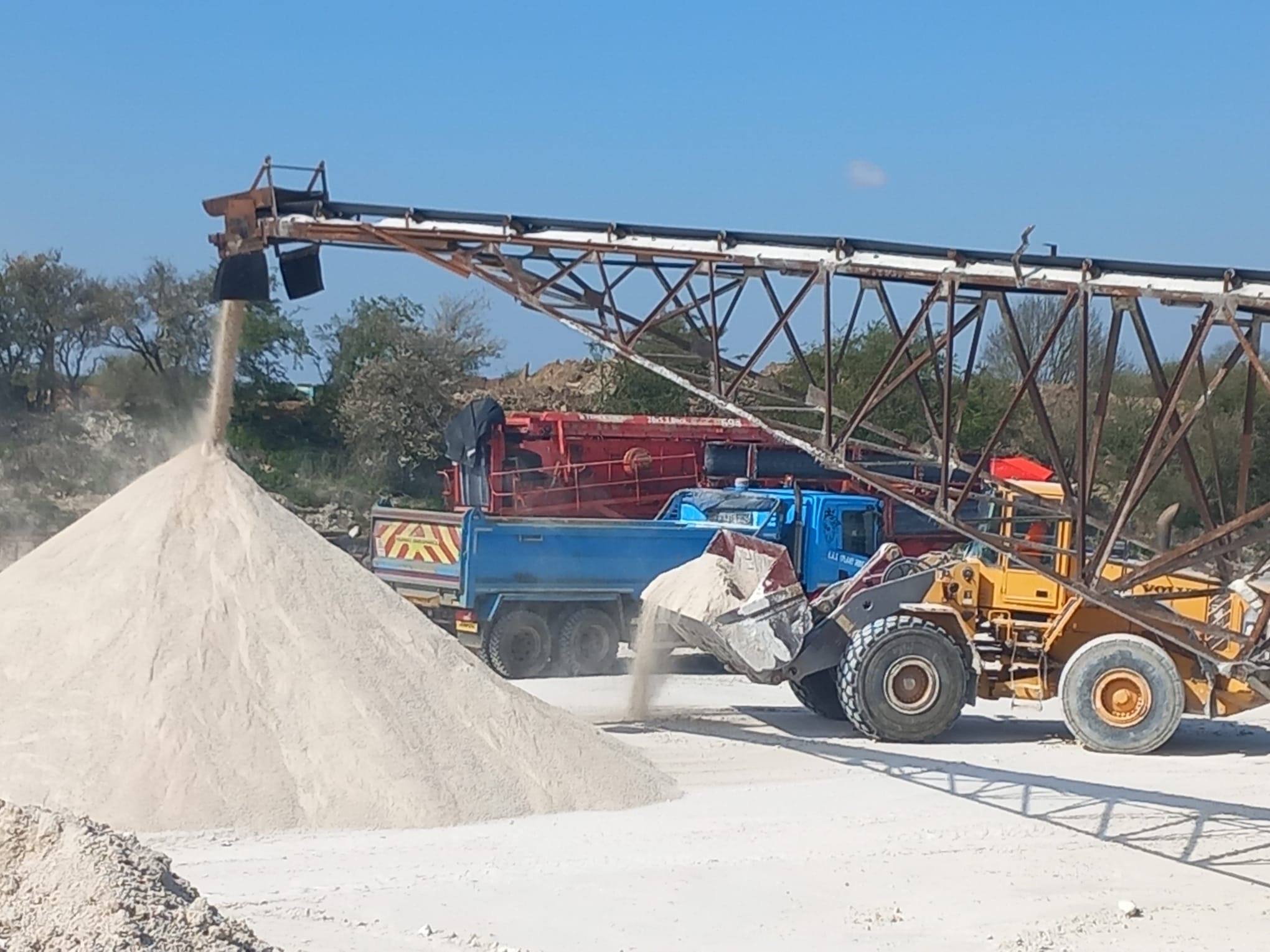
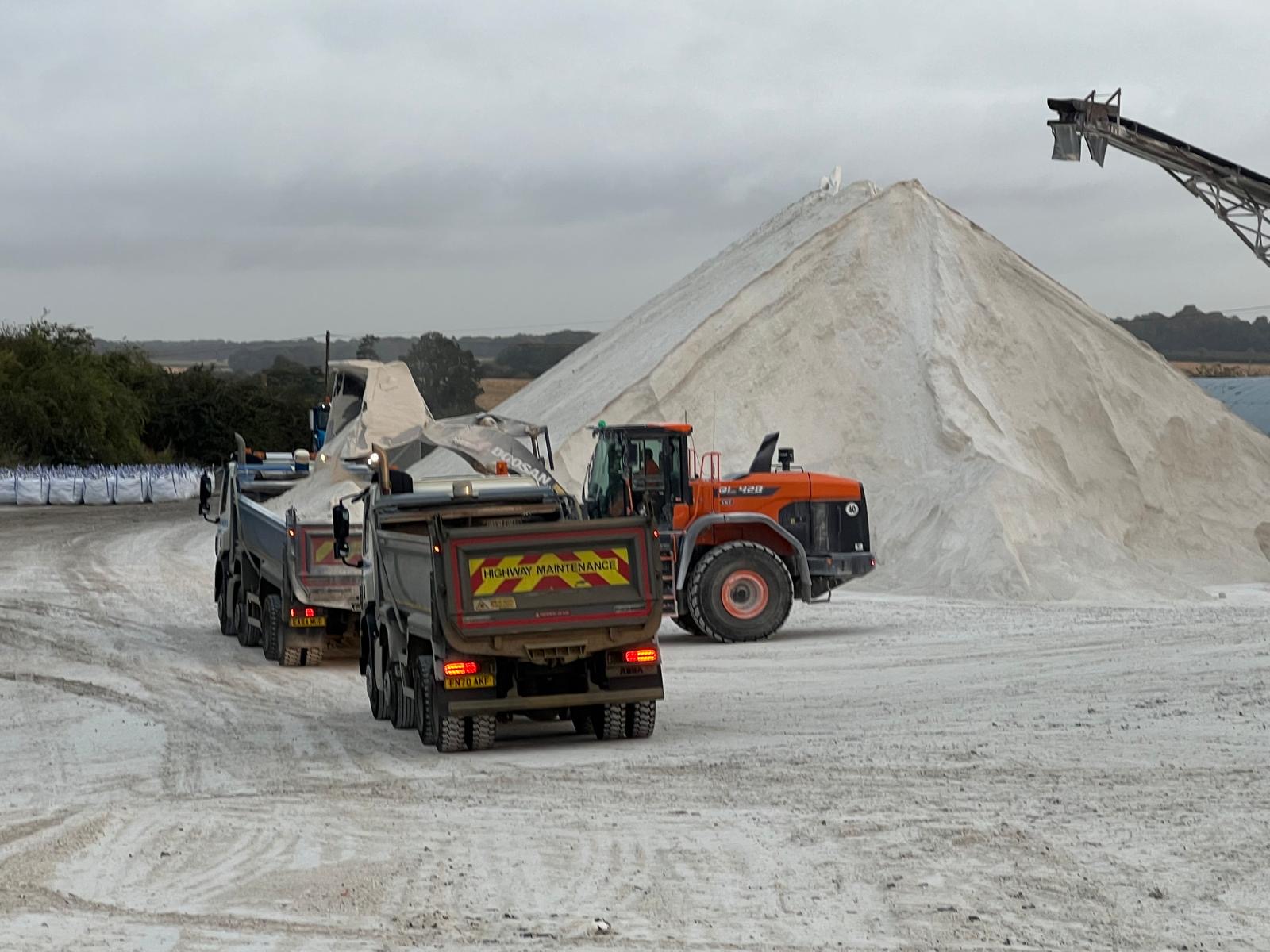


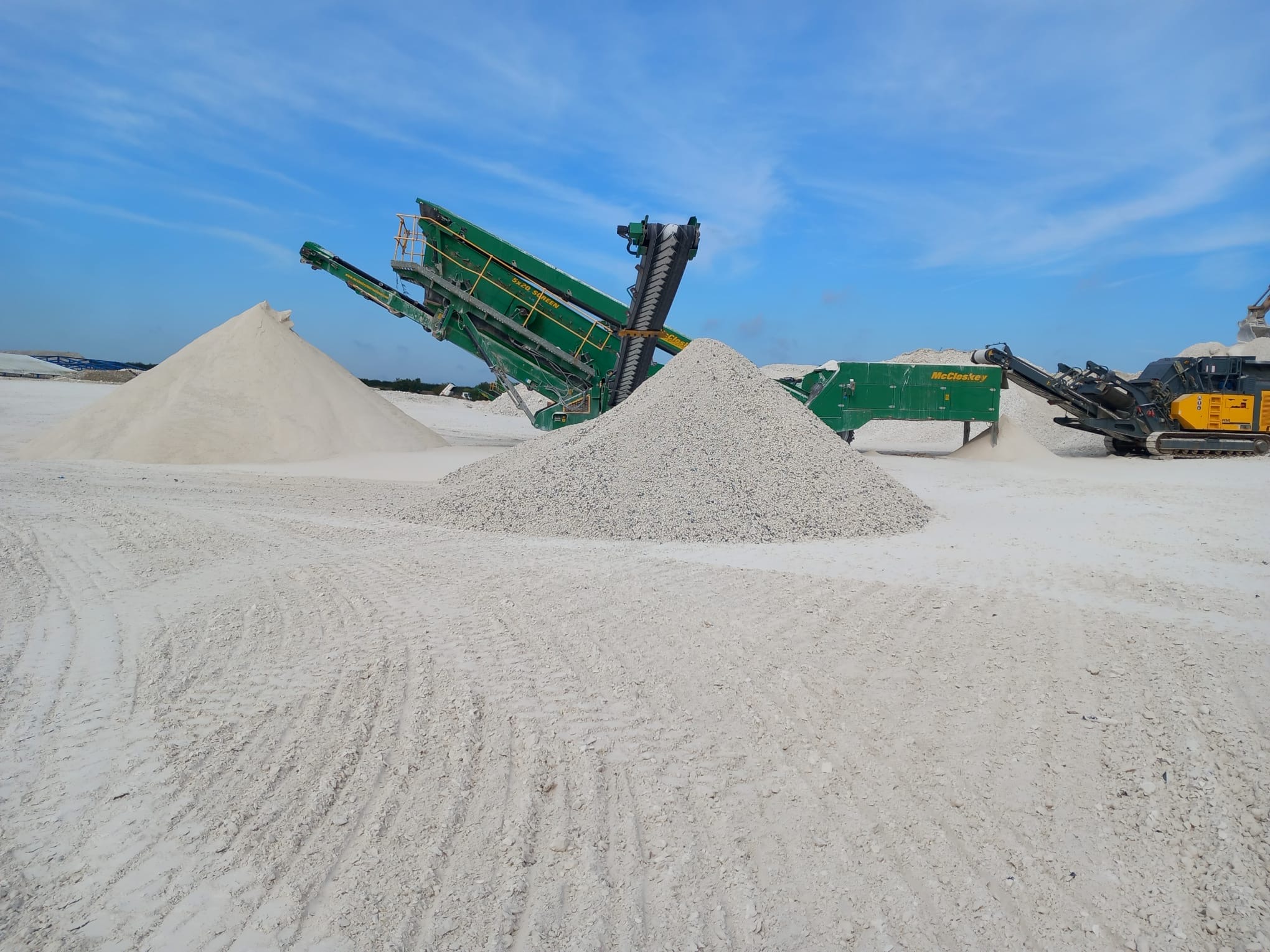
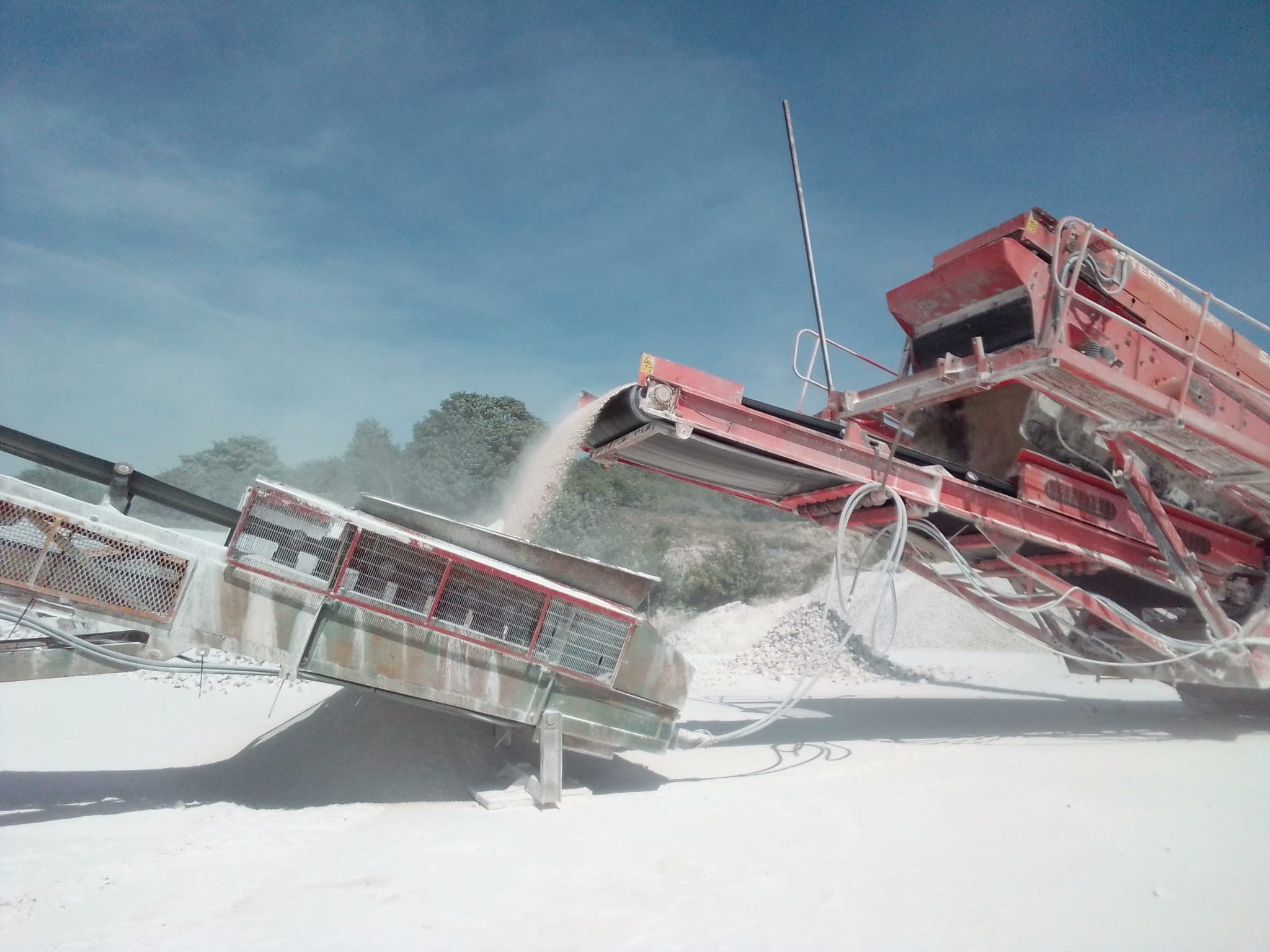
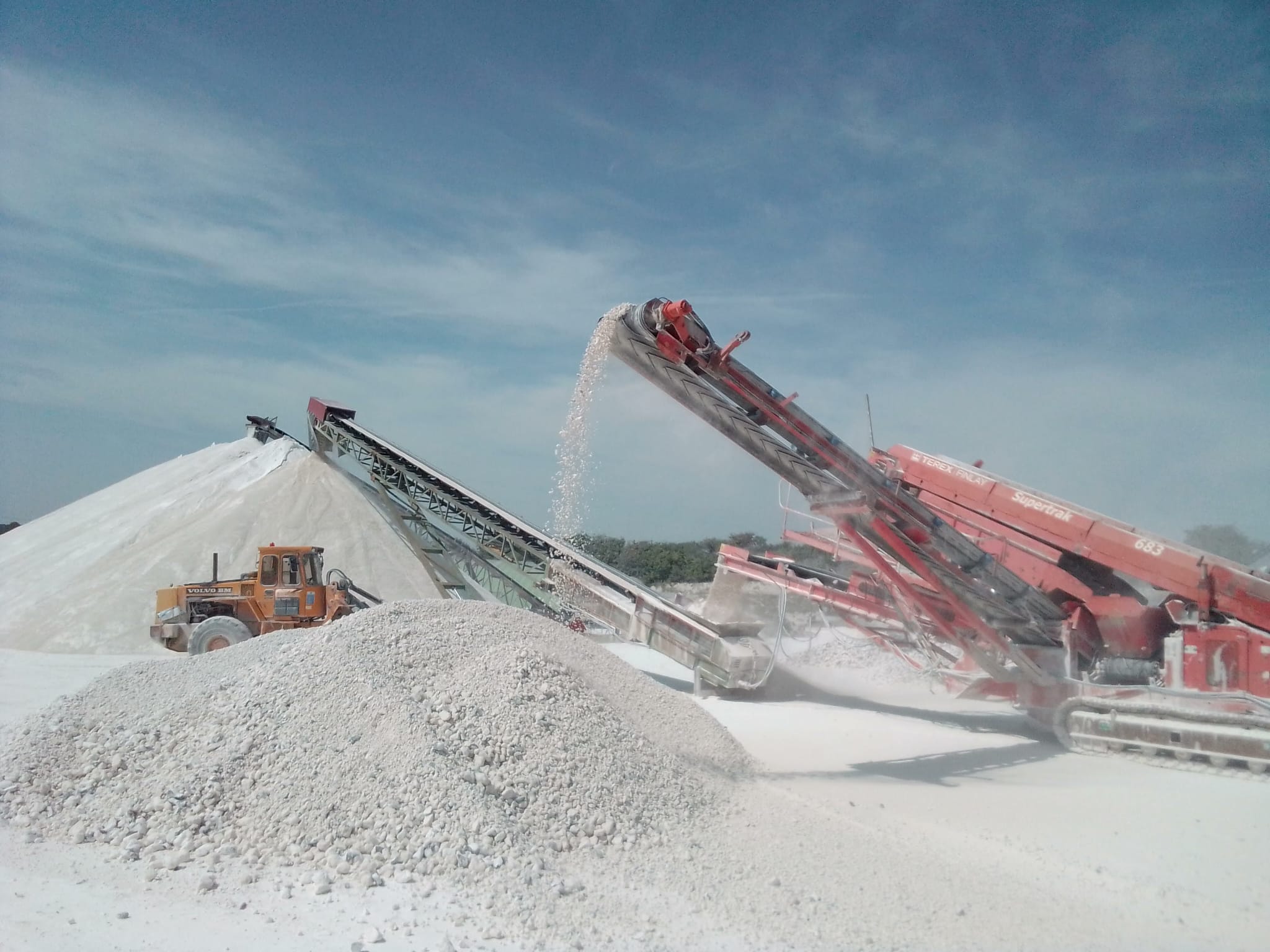
Whether you are looking to improve soil health with ground chalk, seeking a reliable building material in lump chalk, or replicating traditional mortars with pea chalk, all types offer distinct advantages tailored to specific needs.
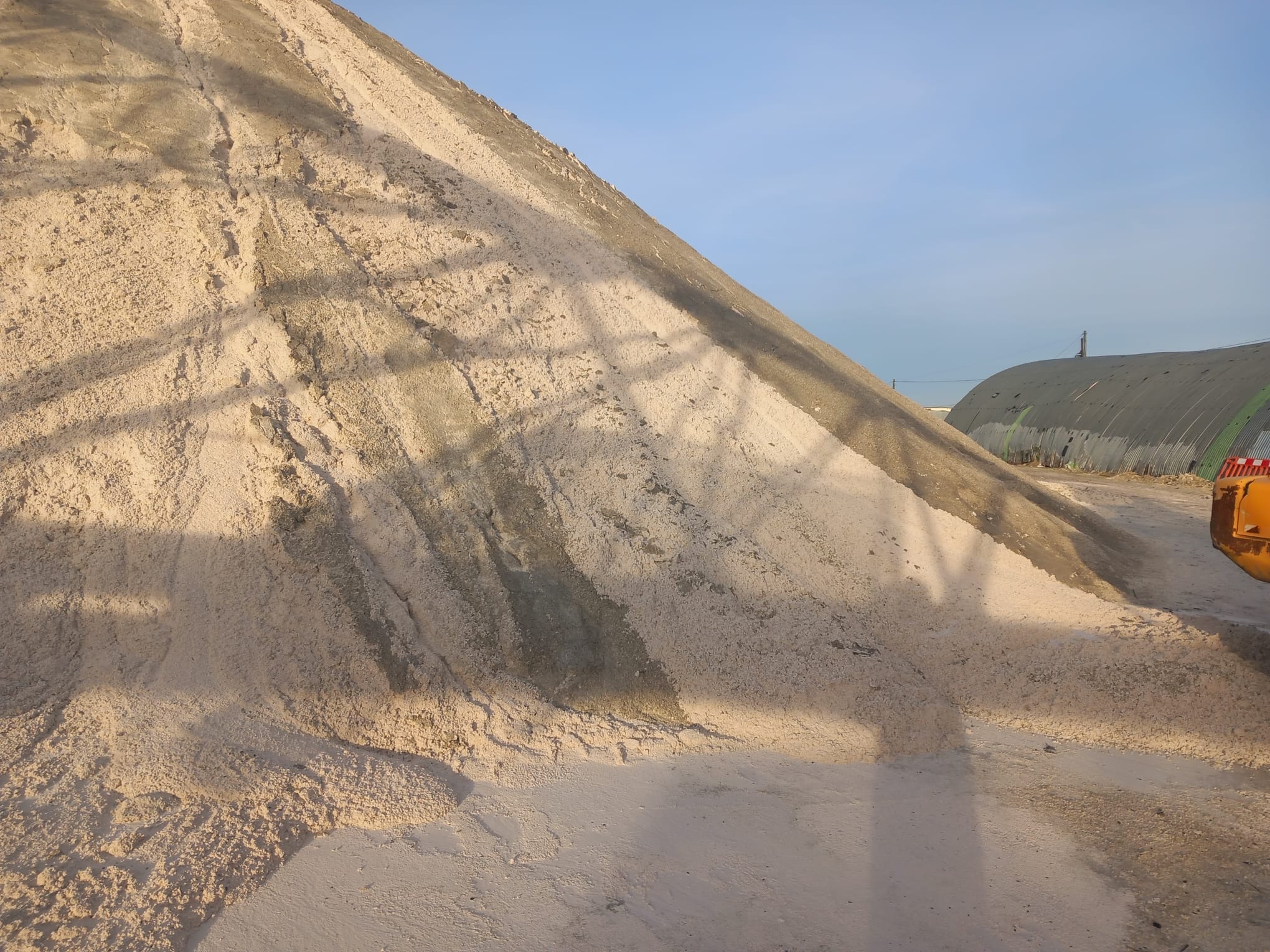
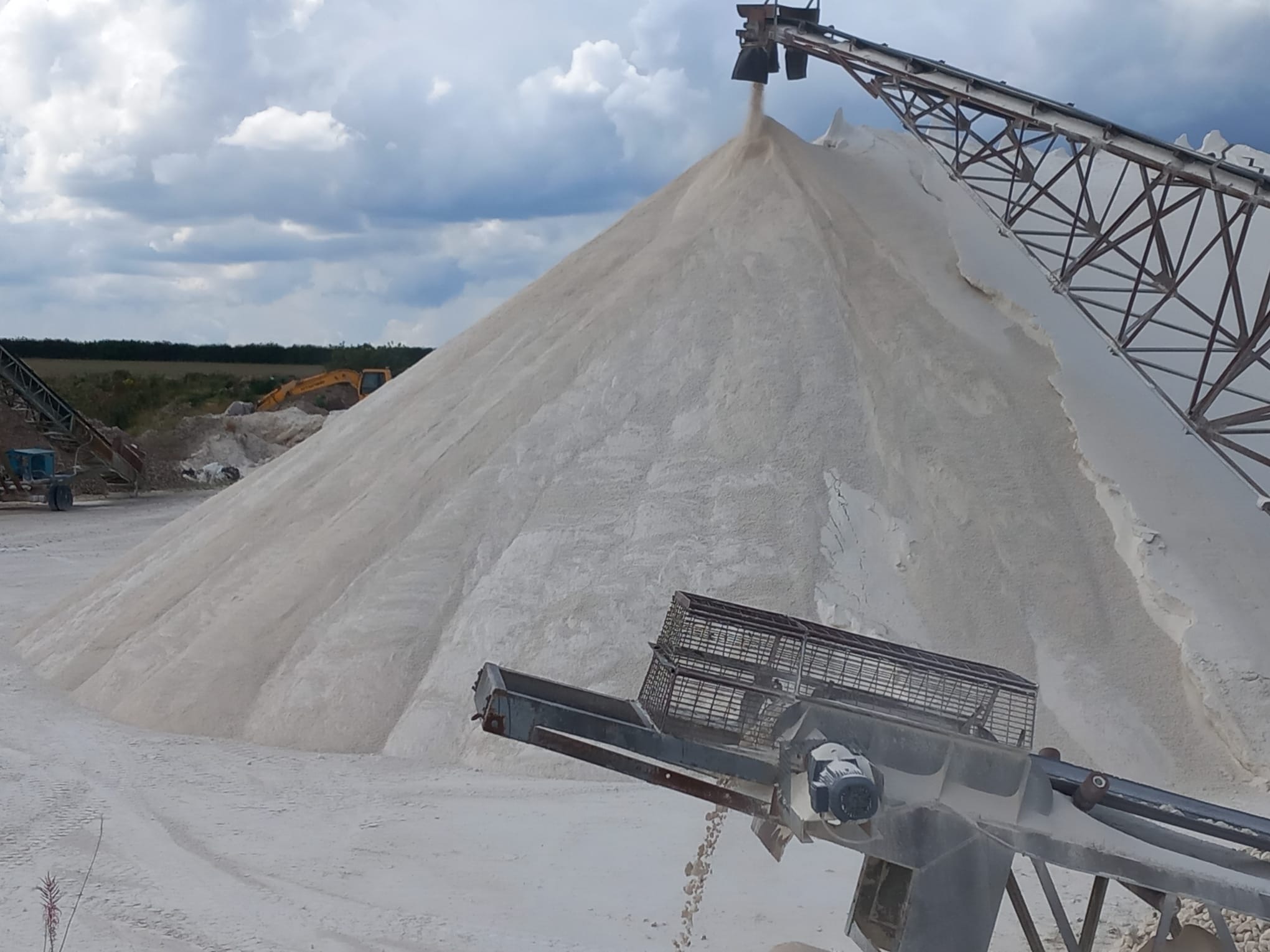
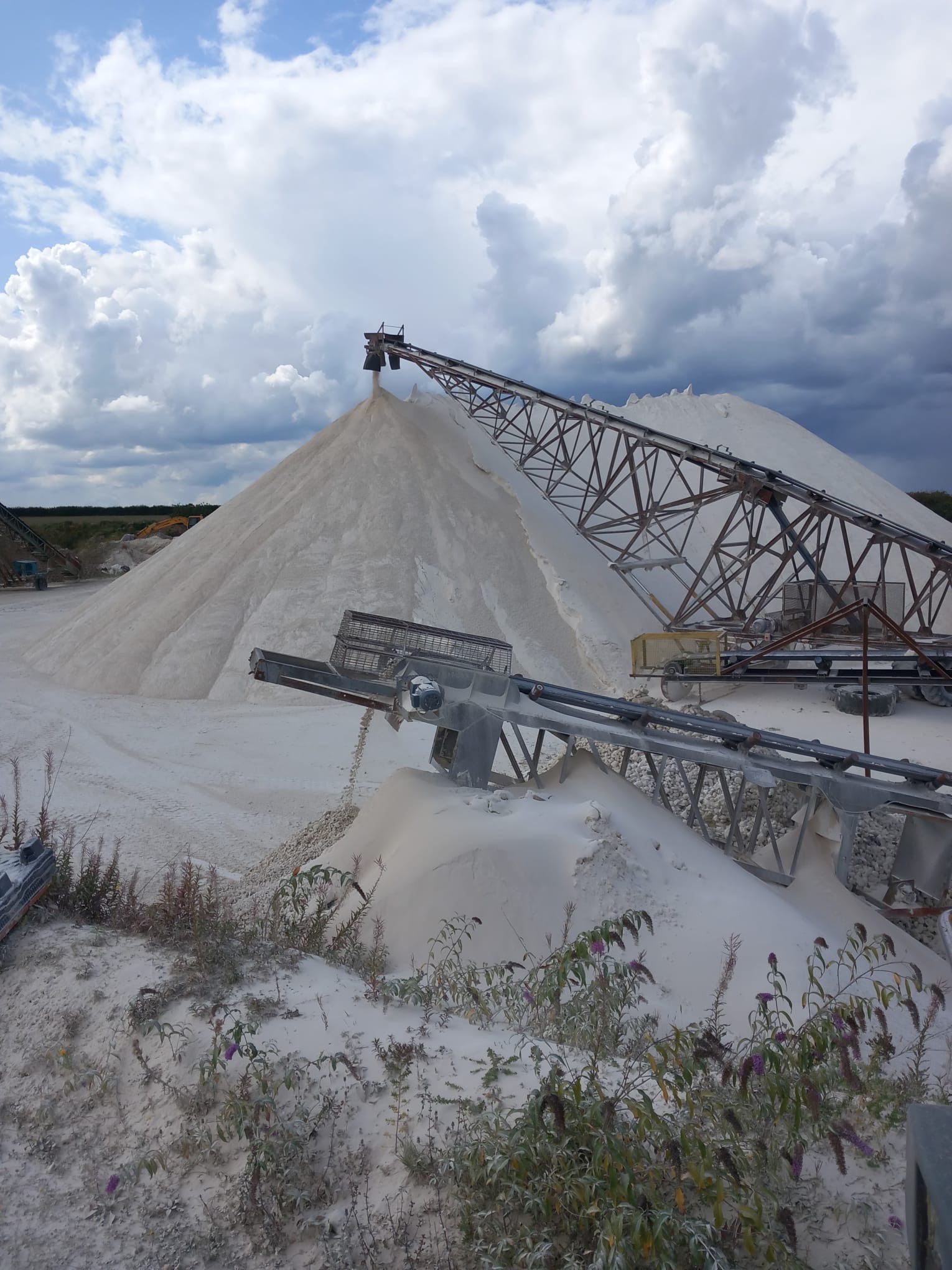
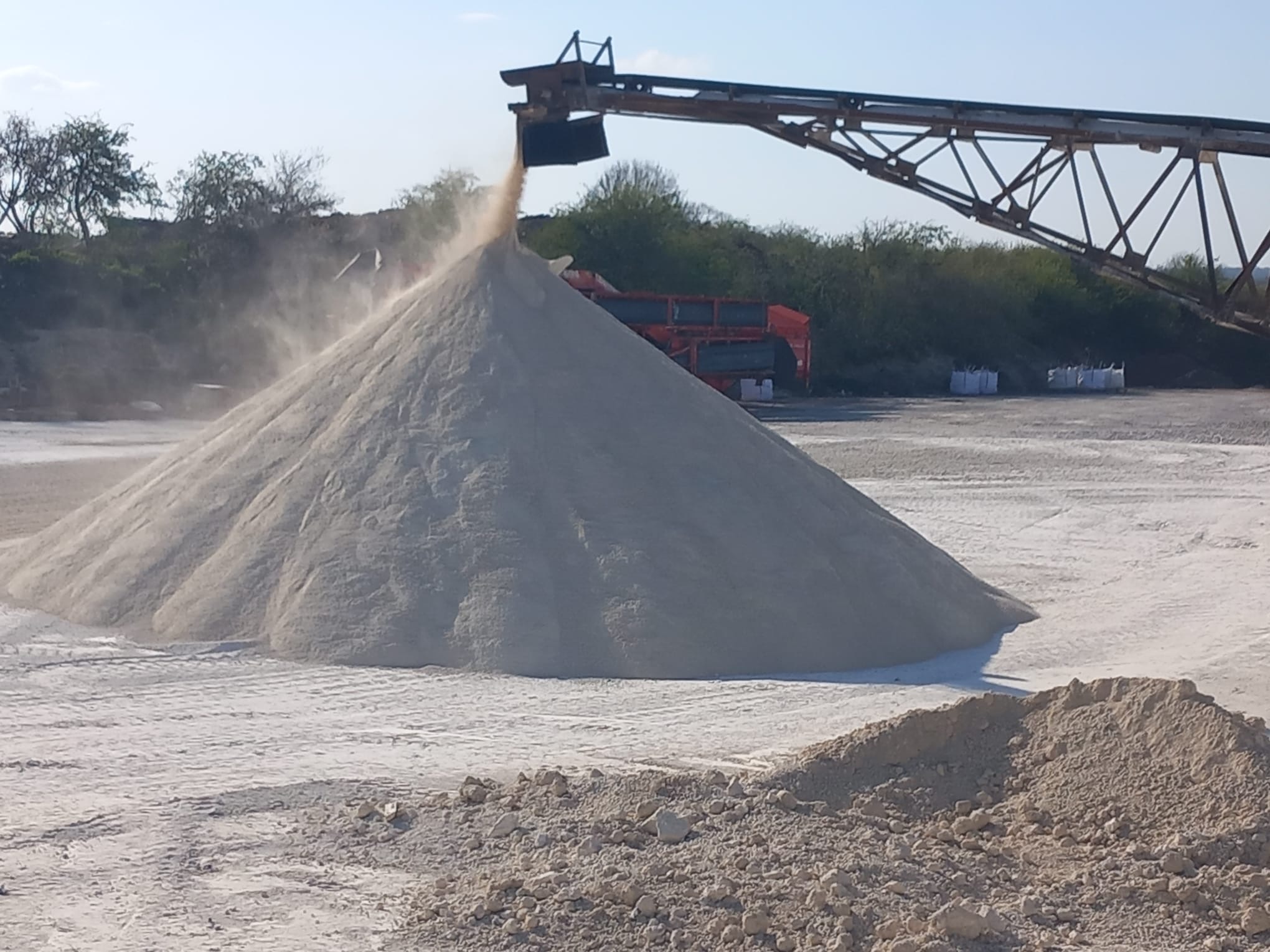
Ground chalk is an indispensable tool for those seeking quicker correction of low pH levels in soil. Its fine consistency allows for better coverage when spreading, ensuring that every part of the field is treated effectively. This type of chalk is particularly advantageous after ploughing, on grassland, or for top dressing purposes, making it a versatile addition to agricultural practices. The ease of spreading and rapid action make ground chalk a preferred choice for maintaining optimal soil health and promoting robust plant growth.
Lump chalk, in contrast, retains its natural form as it comes out of the ground, varying in size and shape. This type of chalk is known for its excellent value and versatility in various building and construction applications. Whether used as a foundational material or for specific construction needs, lump chalk offers a reliable and cost-effective solution. Its natural properties make it suitable for a wide range of uses, ensuring that builders and constructors can benefit from its durability and effectiveness.
Pea chalk is composed primarily of calcite, a form of calcium carbonate, making it a type of sedimentary rock. It’s used in mortars to replicate the textures and properties of traditional mortars. The chalk is sieved to remove fines, ensuring it has a specific particle size, ranging from 5mm to 1.18mm.
Get in touch
For more information about our chalk products call Castle Acre Quarry Ltd on 07946 551226 or email us at sales@castleacrequarry.com and a member of the team will get back to you as soon as possible
Get in touch